
Aloe Vera for Acne: Benefits and How to Use It in Your Skincare Routine
Tired of struggling with acne without finding effective solutions? Aloe vera, known as the "green gold," might be just what your skin needs. This natural remedy not only soothes and regenerates but also gently yet powerfully fights imperfections.
Imagine clearer, more balanced skin without resorting to harsh products. Aloe vera is packed with antibacterial and anti-inflammatory properties that work with your skin, not against it. Ready to discover how this gift from nature can transform your facial care routine?
Benefits of Aloe Vera for Acne
Aloe vera offers multiple advantages for treating acne naturally and effectively. Its unique nutrients work both to prevent breakouts and to help skin recovery.
Medicinal Properties of Aloe Vera
This ingredient contains vitamins like A, C, and E, which promote cell regeneration. The natural salicylic acid present in aloe vera removes dead skin cells and cleans pores. Thanks to its antibacterial properties, it fights the bacteria that cause acne. The anti-inflammatory action of aloe vera gel soothes red and irritated areas on the skin.
Aloe vera is also rich in antioxidants, which help protect your skin from free radicals. Minerals like zinc in its composition regulate sebum production and prevent new breakouts. Additionally, its high water content provides hydration without clogging pores.
How Aloe Vera Works on Acne
This natural gel penetrates deeply into the skin to reduce inflammation of pimples. When applied directly, it forms a protective barrier that speeds up healing. Regular use diminishes post-acne marks due to its ability to regenerate tissue.
Using aloe vera in your routine also helps balance oil levels in the skin. Its astringent effect reduces pore size, preventing dirt buildup. Because of its light texture, it is compatible with sensitive skin, minimizing the risk of irritation.
Ways to Use Aloe Vera for Acne
Aloe vera offers multiple ways to treat acne and improve your skin’s health. From direct applications to blends with natural ingredients, you can customize its use according to your needs.
Natural Aloe Vera Gel
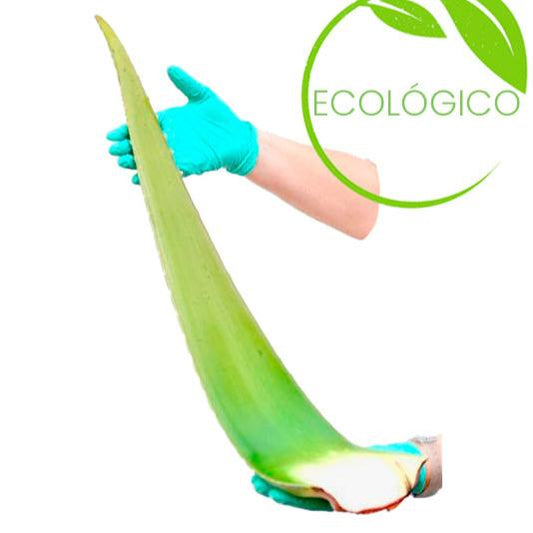
Extract fresh gel directly from aloe vera leaves. Apply a thin layer over the affected area on clean, dry skin. Leave it on for 15 to 20 minutes, then rinse with warm water. Use twice a day to reduce inflammation and speed healing.
Commercial Aloe Vera-Based Products
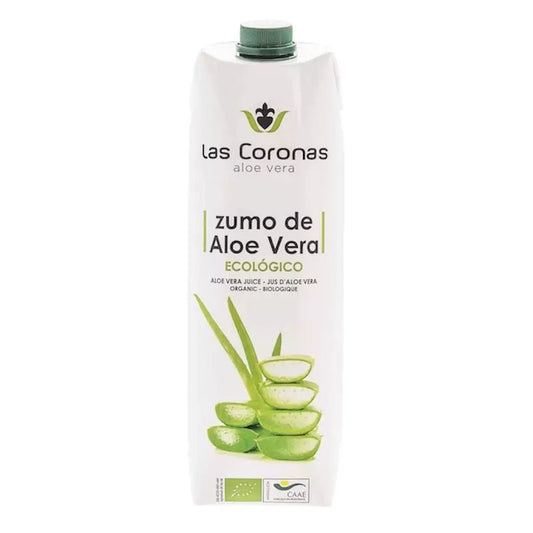
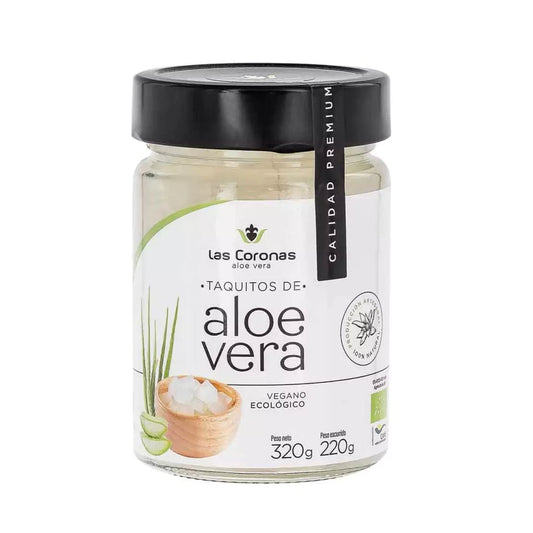
Choose products containing at least 90% pure aloe vera. Look for options labeled alcohol- and fragrance-free to avoid irritation. Apply gels, aloe vera cream, or serums following the manufacturer’s instructions, integrating them into your facial care routine to enhance their benefits.
Combination with Other Natural Ingredients
Mix aloe vera with honey for a moisturizing and antibacterial effect. Use one tablespoon of gel and one of honey, apply as a mask for 15 minutes, then rinse. Combine with turmeric powder to treat acne scars, using a 1:1 ratio. You can also mix the gel with a few drops of tea tree oil to combat active breakouts on oily skin.
Effectiveness of Aloe Vera for Different Types of Acne
Aloe vera shows effective results against various levels of acne. Regular application helps soothe the skin, reduce inflammation, and promote healing of lesions caused by breakouts.
Mild Acne
Treating mild acne with aloe vera can be simple and effective. This type of acne, which includes blackheads and whiteheads, benefits from aloe’s antibacterial properties. Applying fresh gel directly to affected areas cleans pores and removes surface impurities. It also regulates oil production, preventing these breakouts from worsening.
You can enhance its effect by mixing it with two tablespoons of honey. This combination deeply hydrates and strengthens bacteria elimination. When using aloe for mild acne, the skin maintains its balance without additional irritation.
Moderate and Severe Acne
Aloe vera also works on moderate and severe acne, which often includes pustules, nodules, or inflamed cysts. The cell regeneration promoted by aloe reduces scars and improves skin texture. To maximize benefits, apply a thick layer of pure gel and leave it on for 20 minutes before rinsing.
For inflamed breakouts, combining aloe with tea tree oil provides a more intensive action. Apply this mixture directly to lesions to reduce swelling and prevent infections. Consistent use of aloe helps soothe sensitive skin and minimize future marks.
Precautions When Using Aloe Vera for Acne
Aloe vera offers many benefits for treating acne, but its use can carry risks if not applied properly. Consider the following precautions to prevent adverse effects and maximize its effectiveness.
Possible Side Effects
Some people experience allergic reactions to aloe vera, especially if they have sensitive skin. These reactions may appear as redness, itching, or a burning sensation. Apply a small amount of gel on your forearm to perform a sensitivity test before using it on your face.
Aloe vera can dry out the skin if overused, due to its ability to regulate oil production. This could lead to peeling or increased irritation. Limit use to once or twice a day and monitor how your skin responds.
If aloe leaves are not properly disinfected before extracting the gel, applying it may introduce bacteria to affected areas, worsening acne. Use fresh gel only if you are sure the aloe comes from clean, contaminant-free sources.
Tips Before Using Aloe Vera
Select products containing at least 90% pure aloe vera to avoid complications associated with additional ingredients like alcohol or fragrances. These additives can irritate the skin and worsen acne breakouts. Check product labels before purchasing.
If you decide to use aloe vera directly from the plant, clean the leaf with potable water before cutting it. This helps remove impurities and possible contaminants. Use disinfected utensils to extract the gel.
Consult a dermatologist if you have severe acne or are using additional topical treatments. Interactions between aloe vera and certain medications may reduce their effectiveness or cause irritation.
When incorporating aloe vera into your routine, observe how your skin responds during the first weeks. Adjust usage frequency according to your skin’s needs and consider combining it with other natural ingredients like honey or tea tree oil to improve results.
Conclusion
Aloe vera can become a powerful ally in your fight against acne, offering a natural and effective solution to care for your skin. Its ability to soothe, hydrate, and regenerate makes it ideal for any skin type, even the most sensitive.
Always remember to use it responsibly, testing its compatibility with your skin and combining it with other natural ingredients if you want to enhance its benefits. With consistency and care, you can achieve clearer, more balanced, and healthier skin.