
Aloe Vera for the Face: Benefits, Uses, and Tips for Healthy Skin
Did you know that aloe vera can become your best ally for skin care? This natural ingredient is not only known for its soothing properties but also for its ability to hydrate, regenerate, and revitalize your face effectively. If you’re looking for a simple and natural solution to achieve fresher, healthier skin, aloe vera is the answer you’ve been waiting for.
Benefits of Aloe Vera for the Face
Aloe vera offers multiple benefits for caring for your face. Its unique properties make your skin look hydrated, calm, and rejuvenated.
Deep Hydration
Aloe vera’s ability to retain water makes it a powerful moisturizer. It penetrates the deeper layers of the skin, providing long-lasting hydration. It’s ideal for maintaining elasticity and combating dryness on the face.
Soothing and Anti-inflammatory Properties
Aloe vera relieves irritations and reduces inflammation thanks to its natural components like enzymes and vitamins. It helps soothe sunburns, redness, and allergic reactions. This calming effect is especially useful for sensitive or damaged skin.
Helps with Acne and Scars
Its antibacterial and antimicrobial properties fight the bacteria that cause acne. It promotes cell regeneration, reducing the appearance of scars and preventing future breakouts. Apply aloe vera gel to problem areas for better results.
Anti-Aging Effect
Aloe vera stimulates the production of collagen and elastin, essential for maintaining skin firmness. It minimizes fine lines and wrinkles, leaving a younger, healthier-looking face. With its rich antioxidant composition, it protects your skin against free radical damage.
How to Use Aloe Vera on the Face
Aloe vera is easy to incorporate into your facial routine. Maximize its benefits by applying it directly, preparing homemade masks, or using specialized products available on the market.
Direct Application of Aloe Vera Gel
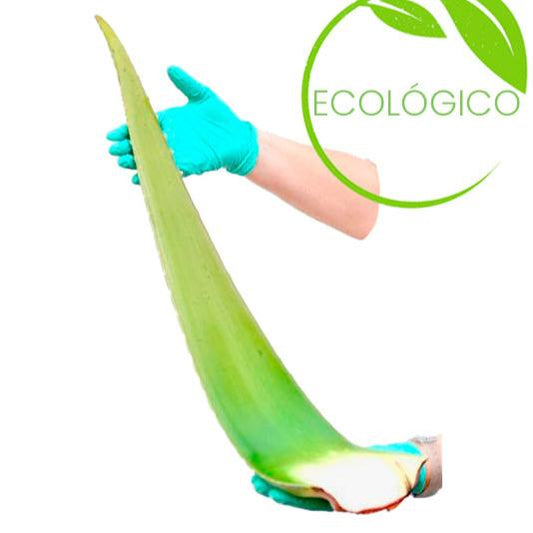
Extract the gel directly from the plant to get a 100% natural product. Wash your face thoroughly to remove impurities before applying the gel. Spread a thin layer over the entire face and leave it on for 10 to 20 minutes. Rinse with lukewarm water and pat dry gently without rubbing.
If you want to soothe irritations or sunburns, apply cold aloe gel, keeping it refrigerated beforehand. This enhances its calming and refreshing effect.
Homemade Aloe Vera Masks
Combine aloe vera gel with natural ingredients to create personalized masks. Mix aloe with honey for deep hydration of dry skin. Use aloe with a teaspoon of turmeric powder if you want to fade spots or scars.
Add a few drops of tea tree oil to fight acne, applying the mask only on affected areas. Leave it on for 15 minutes and remove with lukewarm water.
Precautions and Possible Side Effects
Aloe vera is beneficial for the skin, but improper use can cause unwanted reactions. Following certain precautions ensures better results and minimizes problems.
Skin Sensitivity Tests
Perform a sensitivity test before using aloe vera directly on your face. Apply a small amount of gel to the inside of your wrist or behind your ear and leave it on for 24 hours. Watch for redness, itching, or swelling, which may indicate allergy or sensitivity. Reactive or allergy-prone skin requires extra caution.
Use aloe vera products with minimal ingredients and free of harsh chemicals if you have sensitive skin. Check the label to avoid additives that may cause irritation. This helps prevent unwanted side effects.
Moderate Use and Recommendations
Excessive use of aloe vera can cause dryness in some skin types, especially if applied without additional moisturizers. Limit use to once or twice a week for dry skin. Increasing frequency is possible for oily or combination skin, always assessing your skin’s needs.
Store the gel in the refrigerator to extend its shelf life and preserve its effectiveness. Always use fresh aloe vera or products within their expiration date. This reduces the risk of infections or irritations from spoiled products.
Opinion on Aloe Vera for Different Skin Types
Aloe vera adapts its benefits to the specific needs of each skin type. This natural ingredient offers outstanding solutions to address various skin problems.
Benefits for Dry Skin
The deep hydration provided by aloe vera is essential for dry skin. Its ability to retain moisture improves elasticity, preventing flaking and tightness. Combined with ingredients like coconut oil, you can enhance its moisturizing effect. Applying an aloe vera gel mask once a week, especially in cold or dry climates, helps keep skin soft and nourished.
Uses for Oily and Acne-Prone Skin
Aloe vera regulates sebum production, reducing the shiny appearance typical of oily skin. Its antibacterial properties control acne breakouts and inflammation by inhibiting bacterial growth. For best results, apply the gel directly to areas affected by pimples or use masks mixed with turmeric or tea tree oil. Using it daily as part of your nighttime routine can make a difference in your skin’s texture and clarity.
How It Works on Sensitive Skin
The soothing properties of aloe vera are ideal for sensitive skin that easily reacts to external factors. This gel relieves irritations, redness, and sunburns without causing additional discomfort. Cooling the gel before application can reduce burning or discomfort. To avoid unwanted reactions, choose organic products with a high concentration of aloe vera and avoid blends with fragrances or added chemicals.
Conclusion
Aloe vera is a versatile natural resource that can transform your facial care routine. Its ability to adapt to different skin types and address issues like dryness, acne, or irritations makes it a must-have.
If used properly and with necessary precautions, you can enjoy healthier, hydrated, and rejuvenated skin. Take advantage of its benefits and discover how this gift from nature can make a difference in caring for your face.