
5 benefits of aloe vera for the skin during pregnancy
Pregnancy is a unique stage full of emotions and changes in your body. During this time, it is natural to seek natural alternatives that help you take care of your health and well-being. Aloe vera, known for its multiple benefits, has become a popular ally in the world of natural remedies.
You might wonder if this plant is safe and suitable for you during pregnancy. From relieving skin discomfort to supporting your hydration, aloe vera offers interesting properties. However, not all of its uses are recommended during this delicate stage. It is important to know how and when to use it to enjoy its benefits without risks.
Benefits of Aloe Vera During Pregnancy
Aloe vera offers useful properties during pregnancy to improve skin care and relieve common discomforts. Its nutrient-rich composition can be safely integrated by following proper recommendations.
Skin Hydration
Skin tends to dry out more during pregnancy due to hormonal changes. Aloe vera acts as a natural moisturizer, keeping the skin hydrated and flexible. Its high water and vitamin content, such as vitamin E, promotes greater softness. Applying it after bathing maximizes its moisturizing effects.
Stretch Mark Relief
Stretch marks are common due to skin stretching. Aloe vera gel promotes elasticity by stimulating collagen production. It also improves the appearance of stretch marks, reducing their visibility with consistent use. You can combine it with natural oils, such as coconut oil, for a complementary treatment.
Anti-inflammatory Properties
The anti-inflammatory properties of aloe vera soothe irritations and redness. This makes it an ideal ally if you experience itching or skin sensitivity. Applying a thin layer of gel on affected areas helps reduce these discomforts quickly.
Is It Safe to Use Aloe Vera During Pregnancy?
The use of aloe vera during pregnancy varies depending on the method of application. Knowing how to identify safe forms is crucial to avoid potential risks.
External Use vs. Internal Use
External use of aloe vera is generally considered safe. You can apply it to the skin to relieve dryness, stretch marks, or irritations. Its moisturizing and anti-inflammatory action makes it ideal for caring for your skin during this stage. For example, using a pure aloe vera gel after showering can improve your skin’s elasticity.
Internal consumption of aloe vera, such as aloe vera juice or supplements, should be avoided. It contains compounds like aloin, which can cause uterine contractions or intense laxative effects. Consulting your doctor before ingesting aloe vera-derived products is essential.
Potential Risks
Using aloe vera improperly during pregnancy can cause problems. Applying it on open wounds or irritated skin may cause additional discomfort. Also, internal consumption can disrupt digestive function, causing diarrhea or cramps.
Remember that every body reacts differently. Before incorporating aloe vera into your routine, check the product’s ingredients and verify that it is for topical use. Minimizing any risk depends on ensuring its use is appropriate and supervised.
Ways to Apply Aloe Vera During Pregnancy
Aloe vera can be an excellent ally for the skin during pregnancy, especially when used externally and in a controlled manner. Different presentations offer you practical and safe options for its use.
Natural Aloe Vera Gel
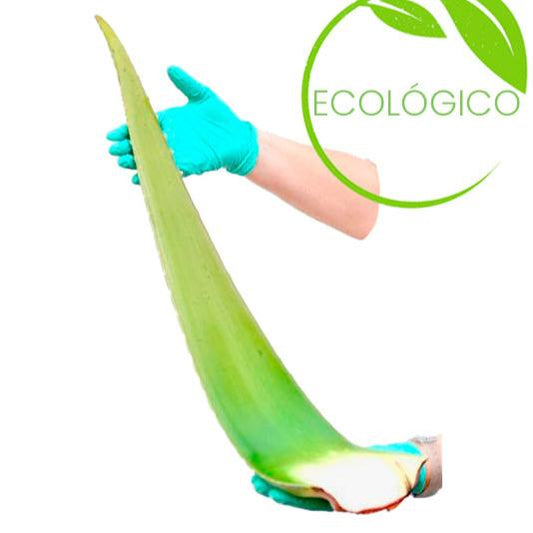
Gel extracted directly from aloe vera leaves is one of the purest forms of application. Apply a small amount to areas prone to dryness or stretch marks, such as the abdomen and thighs. Refrigerate the gel before use if you want a refreshing effect to relieve itching or redness.
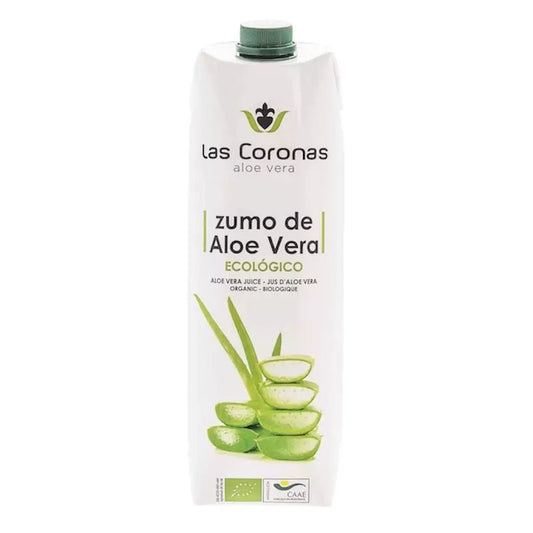
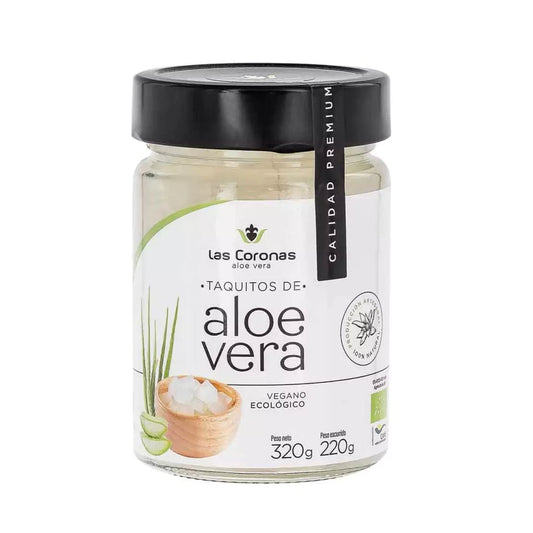
Its high water and nutrient content makes it an effective moisturizer recommended for sensitive skin. Use the gel only if you are sure it comes from a plant grown without pesticides or chemicals, like those from Aloe Vera Las Coronas.
Aloe Vera-Based Creams
Creams containing aloe vera are usually formulated for skin care during pregnancy. Check the label to confirm they are products specially designed for pregnant women, avoiding harmful components like retinoids or parabens.
These creams work more deeply, combining aloe vera with other moisturizing ingredients. Use them daily after bathing to keep your skin flexible and prevent stretch marks. Their consistency allows for even application and quick absorption, ideal for your daily routine without taking too much time.
Natural Alternatives to Aloe Vera During Pregnancy
Look for safe options to care for your skin during pregnancy. Shea butter stands out for its moisturizing properties and its ability to improve elasticity, being useful against the appearance of stretch marks. Apply a small amount after bathing to maximize absorption.
Coconut oil is another reliable option. This natural oil deeply hydrates, soothes irritations, and can help prevent the typical dryness of pregnancy. Use extra virgin oil for better results and gently massage it into affected areas.
Consider using sweet almond oil. Rich in vitamin E, this oil promotes skin regeneration and improves its texture. Incorporate it into your nighttime routine to enhance its benefits while you rest.
Oat water has also been used as a soothing agent. It is ideal for sensitive or irritation-prone skin, offering immediate relief. Spray it directly onto clean skin when you notice discomfort.
Calendula infusions, applied in compresses, can reduce inflammation. This natural remedy improves the appearance of the skin, especially in cases of redness or sensitivity. Prepare it with dried flowers and let it cool before use.
Cucumber gel offers a refreshing effect. Its moisturizing properties relieve the feeling of tightness, especially on hot days. Apply fresh gel to the driest areas for instant relief.
Prioritize natural products that do not contain preservatives or artificial additives to avoid possible reactions. Always consult your doctor before adding new products to your care routine. Their guidance will ensure you protect both your health and your baby’s.
Conclusion
Aloe vera can be a great ally during pregnancy if you use it properly and consciously. Its ability to care for your skin, relieve discomfort, and keep it hydrated makes it a very valuable natural option. However, it is always essential to prioritize your safety and that of your baby by consulting your doctor before incorporating any new product into your routine.
Take advantage of its benefits through external applications and choose quality natural alternatives to complement your personal care. This way, you will ensure a healthier and more pleasant experience during this very special stage of your life.