
The Aloin of Aloe Vera
Have you ever wondered why aloe vera is so popular in beauty and health products? The answer might lie in a lesser-known but powerful component: aloin. This natural compound, found in the bark of the aloe plant, has captured the attention of experts and consumers alike due to its unique properties.
Whenever we talk about aloe vera aloin, comments like “beware of aloin!” or “aloin is a laxative” or “you have to remove aloin” are often heard... Let’s try to find out what aloin really is.
You will discover that aloin is not only famous for its benefits but also for the debate it generates around its use. Knowing its characteristics and how it can influence your well-being is essential to make informed decisions about the products you use. Get ready to explore the fascinating world of aloe vera aloin and find out why it could be the ingredient you’ve been looking for to enhance your daily routine.
What Is Aloe Vera Aloin
Aloin is a compound present in the bark of aloe vera. This yellow component stands out for its laxative properties. When consuming products with aloin, many experience strong effects on the digestive tract. Although it has benefits, excessive consumption can be harmful. Responsible use is key to taking advantage of its benefits. In cosmetics, aloin is often removed to avoid skin irritation. Some people look for products free of this compound.
Aloin, also called Barbaloin, is a molecule from the group of ANTHRAQUINONES.
Anthraquinones are a group of molecules widely found in the plant world. These molecules are known for their both healing and toxic properties!

The most studied aspect of anthraquinones is their properties to regulate intestinal motility. More precisely, they increase peristalsis (movement of intestinal muscles to move food through the digestive tract) and thus facilitate digestion! Aloin is what gives Aloe Vera its bitter taste. It is yellowish and present in the “sap” secreted by the cells between the skin and the gel.
Although there are many molecules from the anthraquinone group in Aloe Vera, aloin is surely the most well-known molecule simply because it is present in greater quantity and has been more studied. To keep it simple, the fundamental properties of aloin are 3:
- Purgative, very strong laxative
- Detoxifies the digestive system
- Antibiotic
Benefits Of Aloin
Aloin, a component of aloe vera, is known for its unique health and beauty properties. It is essential to understand its benefits for effective use.
Medicinal Properties
Aloin mainly acts as a natural laxative. It helps relieve constipation by stimulating the digestive tract. Additionally, antioxidant effects have been observed that may protect cells from oxidative damage. Some research suggests it could have antibacterial properties, which is useful in wound healing. However, it is crucial to use it cautiously due to possible adverse effects.
Common Uses In Cosmetics
Aloin is often used in skin-lightening products. Its exfoliating properties help remove dead skin cells, promoting a radiant complexion. However, in excess, it can irritate sensitive skin, so many cosmetic products remove this component. Despite this, it continues to be used to treat spots and maintain skin health when handled carefully.
Possible Side Effects
Aloe vera aloin can cause side effects if not used carefully. Consider these important aspects when choosing products with this compound.
Allergic Reactions
Some people experience allergic reactions upon contact with aloin. Itching or redness of the skin indicates a possible allergy. Perform a patch test on a small area before using a new product, especially if you have sensitive skin. In case of reaction, discontinue use immediately and consult a dermatologist.
Prolonged Use
Prolonged use of products containing aloin can have undesirable consequences. Its laxative effect, although beneficial in small doses, can cause dehydration or intestinal problems if abused. Limit continuous use and follow health professionals’ recommendations to mitigate potential risks.
How Aloe Vera Aloin Is Extracted
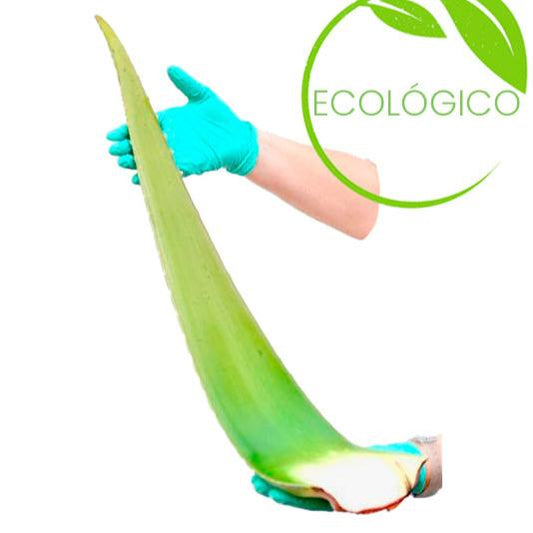
Extracting aloin from aloe vera is a meticulous process. First, identify the mature plant, as it contains a higher concentration of aloin. Cut the thicker outer leaves near the base of the plant.
Use a sharp tool to carefully remove the bark. At this point, you will see a yellowish liquid, which is aloin. Drain this liquid into a clean container to collect it.
Let the liquid rest so solids separate. Then, filter the aloin to remove impurities. Store the extract in a cool place, protected from direct light.
Remember to moderate its use, given its potent effect. Although essential for certain products, use the extract responsibly to avoid negative effects.
Products That Contain Aloin
Aloin is found in various products, especially those related to personal care and supplements. When integrating them into your routine, it is important to know how they interact with your body.
Creams And Lotions
Many creams and lotions incorporate aloe vera, especially for its moisturizing and soothing properties. You should verify that the aloin content is minimal or removed to avoid possible irritation, especially if your skin is sensitive. Product labels often indicate if they are aloin-free, promoting them as safe for direct skin application. Choosing versions with specific processing ensures aloe benefits without the adverse effects of aloin.
Dietary Supplements
Some dietary supplements take advantage of aloin’s laxative properties. When considering them to relieve constipation or improve digestion, you must be aware of their composition and dosage. Consuming aloe extracts with aloin could cause side effects if taken excessively. It is always advisable to consult a health professional before adding these supplements to your daily diet. Additionally, some brands highlight the exact amount of aloin on their packaging, ensuring transparency and better control over its use.

Why Is It Often Prohibited?
Like any other molecule or food, in large amounts it disrupts your body’s natural functioning. In excess, aloin can cause diarrhea, reduced nutrient absorption, and decreased colon tone.
But one thing must be very clear:
Aloin, or more generally, the anthraquinone group in controlled amounts, are molecules with exceptional healing and detoxifying power!
Other studies have shown that aloin destroys herpes and viruses by deactivating their outer membrane.
Conclusion
Exploring aloe vera aloin, you realize its potential and the care needed for its use. Its ability to improve digestive and skin health is undeniable, but it must always be handled with caution.
When choosing products, make sure they suit your needs and follow expert recommendations to avoid adverse effects. With responsible use, aloin can be a valuable ally in your daily health and beauty routine.
Note: when buying an Aloe Vera juice, make sure it has not been filtered with carbon, so you ensure it retains about 0.1mg/L (maximum allowed). Ours has not undergone any of these treatments!! As a loyal user of our own product, I recommend it to you with full confidence! ♥