
How to Make Homemade Aloe Vera Shampoo: Benefits, Ingredients, and Easy Step-by-Step Guide
No sulfates, no parabens, no zincs. The current trend is to find the ideal shampoo for hair that is as natural as possible. There are many options on the market, but not all are 100% natural nor affordable for everyone.
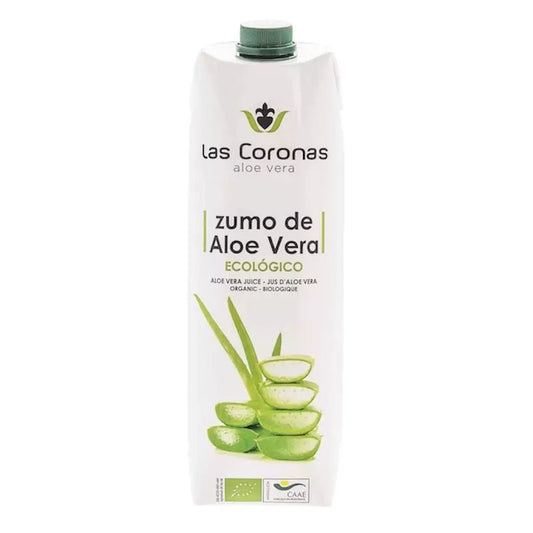
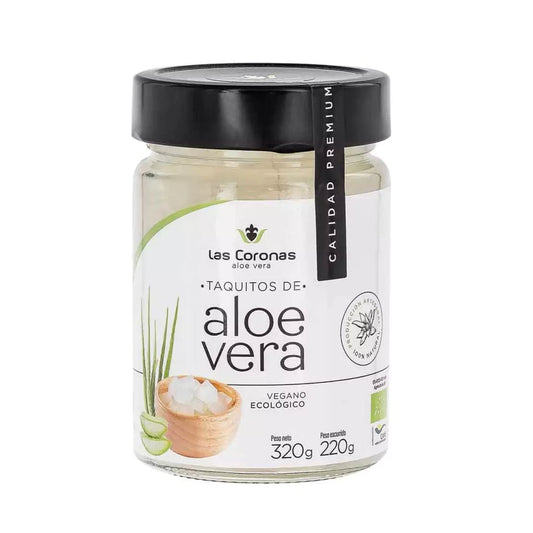
At Aloe Vera Las Coronas, we offer you two options: try our aloe vera shampoo or make your own hair gel at home.
Aloe vera is known for its incredible benefits for hair and skin care. If you’re looking for a natural and economical alternative to commercial products, making your own aloe vera shampoo is an excellent choice. You’ll not only care for your hair with chemical-free ingredients but also customize the recipe to your needs.
Making homemade shampoo is easier than you think. With a few ingredients and a little time, you’ll create a formula that hydrates, strengthens, and revitalizes your hair. Plus, by making it yourself, you reduce environmental impact by avoiding unnecessary plastic packaging. Ready to transform your hair care routine?
What do you need?
Gathering the right materials makes the shampoo-making process easier. Be sure to select high-quality natural ingredients for better results.
- Fresh aloe vera gel: Extract the pulp from 1-2 freshly cut aloe vera leaves or use natural gel without additives.
- Neutral liquid soap: Choose a mild, fragrance-free soap base, ideal to avoid scalp irritation.
- Essential oil: Add 6 to 8 drops of lavender oil or rosemary essential oil to provide fragrance and additional benefits.
- Vegetable oil: Include 1 tablespoon of coconut or almond oil to hydrate and nourish the hair.
- Distilled or filtered water: Use 100 ml to better dilute and combine the ingredients.
Required Tools
- Blender or food processor: Mix the aloe vera gel with the other ingredients to achieve a homogeneous texture.
- Fine strainer or cheesecloth: Filter the gel to remove solid residues before mixing.
- Measuring cup: Ensure exact proportions for a balanced shampoo.
- Large bowl or container: Use it to comfortably combine the ingredients.
- Clean reusable bottle: Store the finished shampoo, preferably in a recycled glass or plastic container.
Aloe Vera Preparation
Properly preparing aloe vera ensures its use in shampoo is effective and safe. Follow these instructions to extract and select the right gel.
How to Extract Aloe Vera Gel
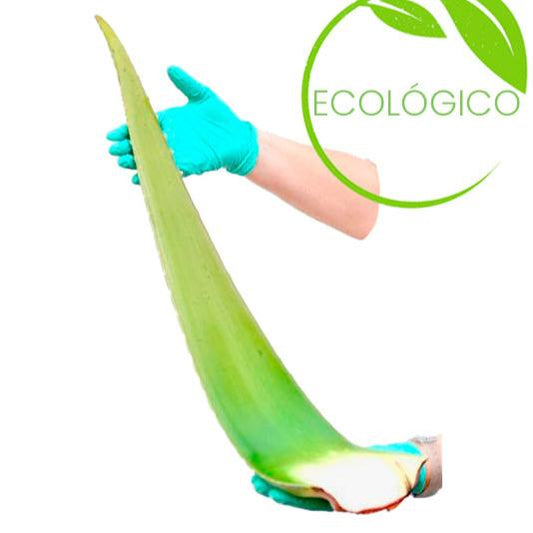
Cut a mature leaf from the base of the plant. Rinse the leaf well with cold water to remove dirt and possible bacteria. Place the leaf upright for 10 minutes to drain the yellowish liquid called aloin, which can be irritating to the skin.
Use a sharp knife to remove the spiny edges of the leaf. Split the leaf lengthwise into two parts and, with a spoon or knife, extract the clear gel from inside. Store the gel in a clean airtight container and keep it refrigerated for up to 7 days if not used immediately.
Tips for Choosing Fresh Aloe Vera
Select thick, fleshy leaves from a mature plant over two years old, as they contain more nutrients. Look for leaves without dark spots or damaged areas to ensure quality.
If you buy aloe vera instead of growing it, choose local plants or certified organic products to avoid harmful chemicals. Avoid leaves that look dry or wilted, as they indicate loss of freshness.
Method to Make Aloe Vera Shampoo
This simple process will allow you to obtain a natural shampoo for your hair care, taking advantage of the properties of aloe vera.
Mixing the Ingredients
Start by placing 100 ml of fresh aloe vera gel in a clean bowl. Add 200 ml of neutral liquid soap to form the cleansing base. Incorporate 1 teaspoon of essential oil of your choice, such as lavender or rosemary, to add fragrance and additional properties. Pour 50 ml of distilled water to dilute the mixture. Use a blender or hand whisk to achieve a homogeneous texture.
Texture Adjustment and Dilution
Check the resulting consistency of the mixture. If you prefer a lighter shampoo, add distilled water in 10 ml increments, stirring after each addition. For a thicker texture, you can increase the amount of aloe vera gel in the same proportion. Make sure to keep the mixture uniform during these adjustments.
Homemade Shampoo Preservation
Store the shampoo in a reusable bottle with an airtight lid. Keep it in a cool, dark place, avoiding direct sunlight. Consider adding 5 drops of vitamin E as a natural preservative to extend its freshness for up to 3 weeks. Always shake the bottle before each use to mix the components properly.
Why is it effective?
With aloe vera, we nourish hair follicles and achieve strong, beautiful hair. Sage or rosemary, as well as apple cider vinegar, help regulate the scalp’s pH, since excess oil is usually what dulls its shine.
Tips and Variations
Customizing your homemade hair care products enhances both the experience and the results of hair care. Here you will find ways to adjust your aloe vera shampoo according to your preferences.
Add Natural Essences for Fragrance
Select dried flowers, such as lavender or chamomile, to infuse distilled water before mixing. If you prefer citrus fruits, grate a bit of lemon or orange peel and combine it with your preparation. Use natural ingredients that complement your aromatic profile, avoiding artificial fragrances.
Incorporating Essential Oils for Additional Benefits
Choose essential oils with specific properties according to your hair type. Include tea tree essential oil to control excess oil or lavender to hydrate and soothe the scalp. Always add 5 to 10 drops, carefully integrating them into the mixture to avoid irritation.
Alternatives for Sensitive Skin
Replace neutral liquid soap with colloidal oatmeal for an extra touch of softness. Substitute fresh aloe vera with pure aloe gel certified as hypoallergenic. Reduce essential oils to no more than 5 drops per preparation, choosing gentle options like chamomile or calendula oil.
Warnings and Precautions
Taking proper measures during the making and use of aloe vera shampoo is essential to ensure safe and effective results. Pay attention to the following recommendations.
Check for Ingredient Allergies
Perform an allergy test before using the shampoo. Apply a small amount of aloe vera gel to the inside of your wrist and observe any reaction over the next 24 hours. Also check the added essential oils, as certain scents or compounds can cause irritation. If you experience redness, itching, or any discomfort, avoid using these ingredients in your preparation.
Consulting a dermatologist is helpful if you have a history of skin allergies. Check product labels like neutral liquid soap and essential oils to verify additional components that may cause skin sensitivity.
Avoid Contamination During Preparation
Keep your tools and surfaces completely clean before starting. Wash utensils like the blender, bowl, and sieve with hot water. Use sterilized glass containers to store the shampoo, as they are less prone to bacterial growth.
Handle aloe vera with clean hands and disinfected utensils to prevent microorganisms from entering the product. Fresh gel can deteriorate quickly if it comes into contact with external particles. Adding vitamin E or a natural preservative helps extend its shelf life. Finally, make sure to tightly close the reusable bottle to prevent air or moisture from entering.
Common Troubleshooting
When preparing aloe vera shampoo, issues may arise that affect its quality or performance. Below are practical solutions for the most common problems.
Too Liquid or Lumpy Texture
Achieving a homogeneous texture depends on properly mixing the ingredients. If the shampoo is too liquid, adjust the proportions by adding more aloe vera gel or reducing the amount of distilled water. It is also helpful to use a natural thickener, such as xanthan gum, previously diluted in warm water before integrating it into the mixture.
If lumps appear, check that all ingredients are at room temperature before mixing. Use a blender or immersion mixer to combine the components and achieve a smooth consistency. Alternatively, strain the mixture with a fine sieve to remove any unwanted particles.
No Foam Shampoo
Lack of foam may be related to the type of liquid soap used. Choose a neutral soap with mild foaming agents, such as decyl glucoside, to improve foam formation in the shampoo.
Make sure the shampoo is not overly diluted, as a lower concentration of liquid soap could reduce its foaming ability. In this case, adjust by adding an extra proportion of neutral liquid soap. Avoid completely replacing the soap with oils or less foaming ingredients, as this can also limit its cleaning capacity.
Conclusion
Creating your own aloe vera shampoo is not only a healthy and personalized alternative but also a way to care for the environment and reduce waste. With simple ingredients and clear steps, you can transform your hair care routine into something more natural and effective.
Explore variations and customizations to suit your hair's needs. Always remember to maintain hygiene during the process and perform allergy tests to ensure a safe experience. Your hair and the planet will thank you.