
How to Make Aloe Vera Leaf Juice (Ensuring Its Quality)
Have you ever considered the benefits of aloe vera juice for your health? This natural elixir is not only refreshing but also offers a range of properties that can improve your well-being. From promoting healthy digestion to strengthening your immune system, aloe vera has earned a place in kitchens around the world.
Preparing your own aloe vera juice is easier than you think. You don’t need to be a cooking expert to enjoy this nutritious drink at home. Follow a few simple steps and you can make the most of the benefits of this ancient plant. Plus, making your own juice ensures you’re consuming a fresh product free of artificial preservatives.
Ready to transform your daily routine with a touch of nature? Discover how to prepare aloe vera juice and take your health to the next level.
Preparing Aloe Vera
The process of making aloe vera juice at home begins with the proper selection and preparation of the leaves. This initial step ensures you get the maximum benefit from this healthy plant.
How to Select the Leaves
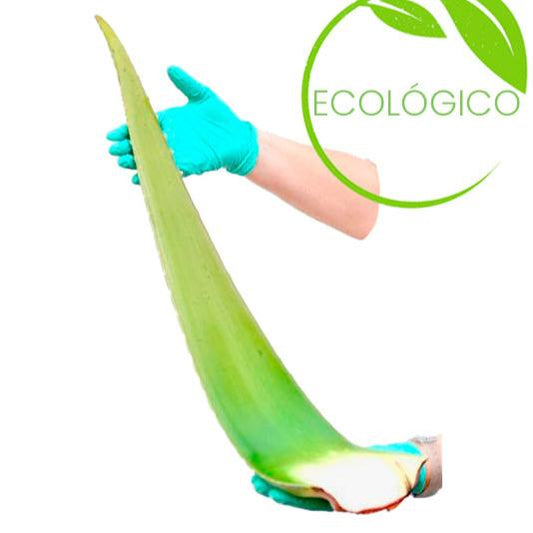
Choose thick leaves, as they contain more gel and nutrients. Consider their color: a vibrant green indicates freshness. The plant should be older than two years to ensure an optimal concentration of beneficial compounds. If possible, select the outer leaves from a mature plant.
Cleaning and Peeling the Leaves
Wash the leaves thoroughly under running water to remove dirt. It’s important to use a sharp knife to remove the spiny edges. Then, carefully peel off the green outer skin to access the translucent gel. During this step, avoid including the yellowish layer to reduce the bitter taste.
Two techniques are commonly used:
- Using a peeling machine, the most common technique due to its economical and quick nature. The extraction of anthraquinones is done through a charcoal filtration process. Unfortunately, this process does not allow for a fresh final product with all the properties of Aloe Vera.
- Manually, which is a very long and laborious technique but allows for a higher quality product.
Methods to Make Aloe Vera Juice
Making aloe vera juice at home is a healthy and accessible option. There are different methods to do it.
Traditional Method
The traditional preparation is simple and quick. First, cut the leaves at the base with a sharp knife. Make sure to choose plants older than two years to obtain optimal nutrients. Then, rinse the leaves carefully to remove dirt and bacteria. Once clean, cut off the spiny edges and peel the green skin, keeping the translucent gel. Place the gel in a blender and add water according to your preferred consistency. Finally, blend until you get a homogeneous mixture. Serve the juice and consume it fresh.
Method with a Juicer
Using a juicer makes the process easier. First, perform the same leaf selection and washing as in the traditional method. Then, after peeling the leaves, cut the gel into small pieces. Insert the pieces into the juicer to quickly obtain the juice. This option reduces preparation time and preserves nutrients to the maximum. Remember to clean the juicer well after use to avoid aloe residue.
Popular Combinations
Exploring aloe vera juice combinations allows you to enjoy delicious and nutritious variations. Discover how to enrich your juice with common ingredients that enhance its benefits.
Aloe Vera with Lemon
Add lemon to your aloe vera juice to boost its detoxifying effect. Lemon, rich in vitamin C and antioxidants, perfectly complements aloe. To prepare it, add the juice of one lemon to the aloe vera gel and mix with a glass of water. This citrus touch not only improves the flavor but also increases nutrient absorption.
Aloe Vera with Ginger
Ginger adds a spicy and healthy twist to your aloe vera juice. With anti-inflammatory properties, ginger pairs well with aloe. Grate a small piece of fresh ginger and mix it with the blended aloe vera gel. This combination helps relieve digestive issues while adding freshness and an exotic touch to your drink.
These alternatives not only enrich your aloe vera experience but also provide additional nutrients that benefit your health.
Storage Tips
Properly storing aloe vera juice is key to maintaining its beneficial properties. Keep the juice in an airtight glass container. Make sure it is opaque and keep it away from direct light. Refrigeration helps prolong its freshness. Place the container in the back of the refrigerator where the temperature is more consistent.
The juice should be consumed within 7 days. This way, you ensure that nutrients and enzymes remain active. Consider labeling the container with the preparation date for greater accuracy.
Avoid extreme temperatures. Both high and low temperatures can degrade the product. Never leave the juice out of the refrigerator for long periods or freeze it. If you notice changes in color or texture, consider discarding the juice as these could be signs of spoilage.
Conclusion
Incorporating aloe vera juice into your routine can be a simple and effective way to improve your health and well-being. Whether you choose to prepare it traditionally or with a juicer, the benefits for your digestion and immune system are remarkable.
Experiment with flavor combinations like lemon and ginger to enrich your drink and enjoy its antioxidant and anti-inflammatory properties. Don’t forget to follow storage tips to keep the juice fresh and full of nutrients.
Always keep precautions in mind and consult a healthcare professional if you have any doubts about its consumption. By doing so, you can safely and effectively enjoy all the benefits that aloe vera juice has to offer.
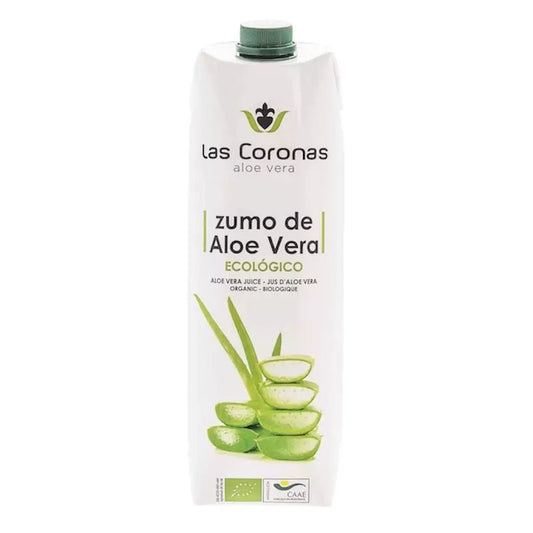
Tip: To ensure product quality, I recommend choosing an Aloe Vera juice with pulp, as this means no enzymes or other techniques have been injected to make the product more liquid, thus preserving a juice with all the intact properties of Aloe Vera.
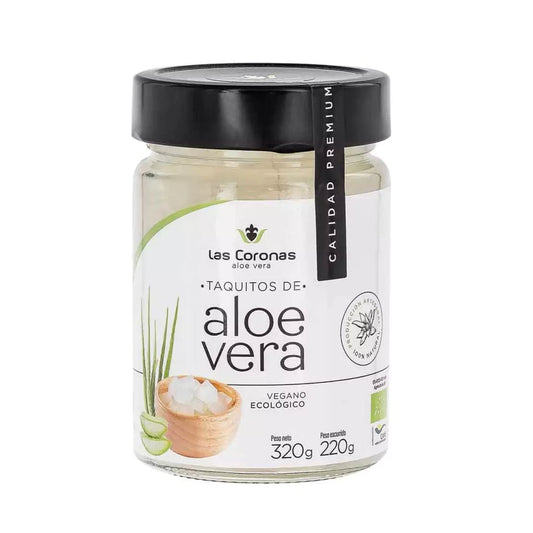
Discover now our organic aloe juice with pulp, made using an artisanal process to ensure the quality of the final product.