
How to Plant Aloe Vera
Are you looking for a plant that not only beautifies your home but also offers health benefits? Planting aloe vera is the perfect solution. This succulent plant is famous for its healing properties and its ability to thrive with little care. Imagine having a natural first aid kit within reach, ready to soothe burns and improve your skin health.
Growing aloe vera at home is easier than you think. With the right environment and some practical tips, you can enjoy this wonderful plant in no time. Additionally, aloe vera is an eco-friendly option that adapts to any space, whether indoors or in your garden. Get ready to transform your home into a green and healthy oasis with this guide on how to plant aloe vera.
Benefits of Aloe Vera
Aloe vera has numerous properties that benefit health and well-being. Its leaves contain a gel that is highly moisturizing. This gel soothes burns and calms skin irritations when applied directly to the skin. It also improves the healing of minor wounds.
Another important benefit is its antioxidant capacity. Consuming aloe vera strengthens the immune system by fighting free radicals. This reduces the risk of aging-related diseases.
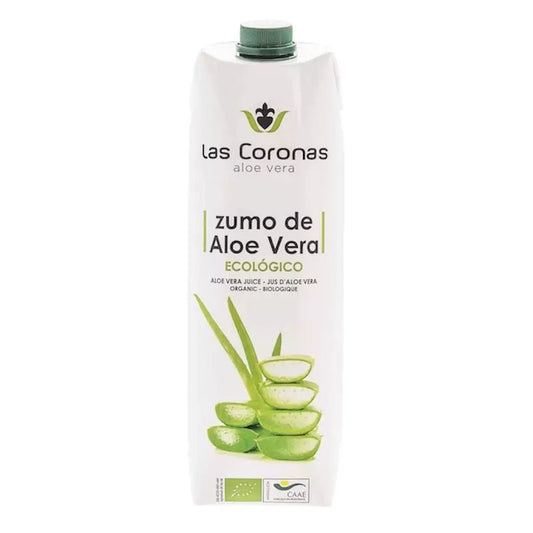
Moreover, aloe vera is useful in treating digestive disorders. Drinking aloe vera juice promotes healthy digestion and relieves occasional constipation. It also helps balance intestinal flora.
The use of aloe vera is not limited to internal health. In cosmetics, it improves the appearance of the skin. The gel deeply hydrates, reduces acne, and softens rough skin.
Finally, aloe vera’s antibacterial properties help maintain oral hygiene. Using a mouthwash with aloe vera can reduce dental plaque and prevent gum problems.
These benefits make aloe vera an invaluable plant for both health and beauty.
Soil Preparation
Preparing the soil is essential for successful aloe vera cultivation. This plant appreciates conditions that replicate its natural environment.
Choosing the Right Location
Choosing the right spot ensures good growth for your aloe vera. Look for a place that receives at least six hours of sunlight daily. Prefer areas protected from strong winds to avoid leaf damage. If you choose to plant aloe indoors, make sure to place the pot near a sunny window.
Soil Conditions
The soil also plays a crucial role in aloe vera development. Use well-draining soil, as aloe vera does not tolerate waterlogging. Adding sand or perlite improves aeration and prevents water accumulation. To adjust pH, ensure the soil is slightly acidic to neutral, between 6.0 and 7.0. These basic care steps will enhance your plant’s health.
How to Grow Aloe Vera
Growing aloe vera at home is a simple and rewarding task. The process requires attention to details that will ensure the plant’s healthy growth.
Choosing the Plant
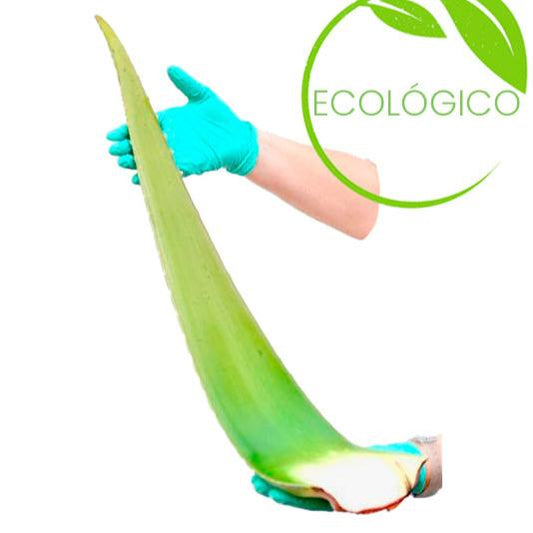
Choosing a robust mother plant is crucial. Check if its leaves are thick and a deep green. Avoid plants with yellowing leaves or dark spots, as they may be sick. Opt for nursery potted plants, as they are usually well-nourished.
- Preparing the spot: Choose a pot with drainage holes. Adding sandy soil facilitates aeration.
- Removing the plant: Carefully take the mother plant out of its original container. Clean its roots of old soil.
- Placing in the new pot: Position the plant in the center of the new pot. Fill with suitable soil, avoiding excessive pressing.
- Initial watering: Give a light watering to settle the soil. Do not overwater, as aloe does not tolerate excess moisture.
- Proper location: Place the pot in a sunny spot, ensuring at least six hours of light daily. A windowsill works well.
Following these steps will ensure an optimal environment for your aloe vera to grow strong and healthy.
Care and Maintenance
Aloe vera requires specific care to thrive and stay healthy. Pay attention to the following guidelines to ensure your plant flourishes.
Watering and Fertilizing
Watering is crucial for aloe vera. Water the aloe vera plant only when the soil is completely dry. On average, water every two weeks, although frequency may vary depending on the climate. In winter, reduce watering to once a month to avoid excess moisture.
Fertilizing is needed occasionally. Use a balanced fertilizer diluted to half strength during spring and summer. Apply fertilizer once a month to maintain aloe vera’s health.
Pest Control
Aloe vera is generally pest-resistant but occasionally faces issues. Aphids and scale insects are the most common. Use a damp cloth or soapy water to remove them.
Preventive control is essential to minimize pests. Regularly inspect leaves for signs of infestation. Maintaining good air circulation around the plant also helps prevent pests.
Aloe Vera Propagation
Propagating aloe vera is simple, allowing you to maintain a constant supply of plants. Use the offsets that grow alongside the mother plant. When these small aloes reach about 10-15 cm in height, they can be separated.
Select an offset with well-developed roots. Use a clean knife to cut the offset at the base, making sure not to damage the roots. Let the offset dry for one or two days, which will help it heal before planting.
Prepare a pot with suitable draining substrate. Place the offset in this pot, covering the roots with soil. Water lightly after planting, and place the pot in a bright location. This way, the offset will start to grow strong and healthy.
Common Problems and Solutions
Sometimes, aloe vera may face certain problems. One of the most common is overwatering, which causes leaf yellowing. To fix this, reduce watering frequency and ensure the pot has good drainage.
Root rot can occur if the soil does not drain properly. Make sure to use a porous substrate, such as a mix with sand or perlite, to prevent water accumulation at the base.
Pests, although uncommon in aloe vera, can include aphids and scale insects. Regularly check the leaves, and if you find these insects, clean them with a damp cloth or use a natural insecticide.
Dry leaf tips usually indicate low humidity or insufficient light. To mitigate this, place your plant in an area with more indirect light or slightly increase ambient humidity.
These simple practices ensure your aloe vera thrives in healthy conditions, avoiding the most common problems.
Conclusion
Planting aloe vera in your home not only beautifies the space but also provides a natural ally for health and well-being care. With its easy maintenance and adaptability, this plant becomes an ideal choice for those seeking a greener and healthier environment.
By following recommendations on location, watering, and propagation, you will ensure optimal growth and enjoy its multiple benefits. Don’t hesitate to integrate aloe vera into your daily routine, as its versatility and healing properties make it an invaluable addition to any home.
To watch the full interview click here